



Are you struggling with overfilling a dumpster during a cleanup or renovation? This mostly happens quickly when trash piles up faster than expected. Overloaded dumpsters can be refused for pickup, cost extra in fees, and cause delays.
Knowing how to load the dumpster correctly, keeping heavy items at the bottom, and planning for the right size make the process much easier. So, do you want to know?
Well, in this blog, I will explain practical steps to avoid overfilling a dumpster and keep everything safe. Ensure that you read this blog so that your project stays on schedule without any surprises.
Let’s begin.
What Overfilling a Dumpster Actually Means
Overfilling a dumpster happens in two ways. First, debris may rise above the container’s top edge, creating a safety hazard. Second, a container can be overweight even if it looks level. Both situations prevent pickup trucks from hauling the load safely.
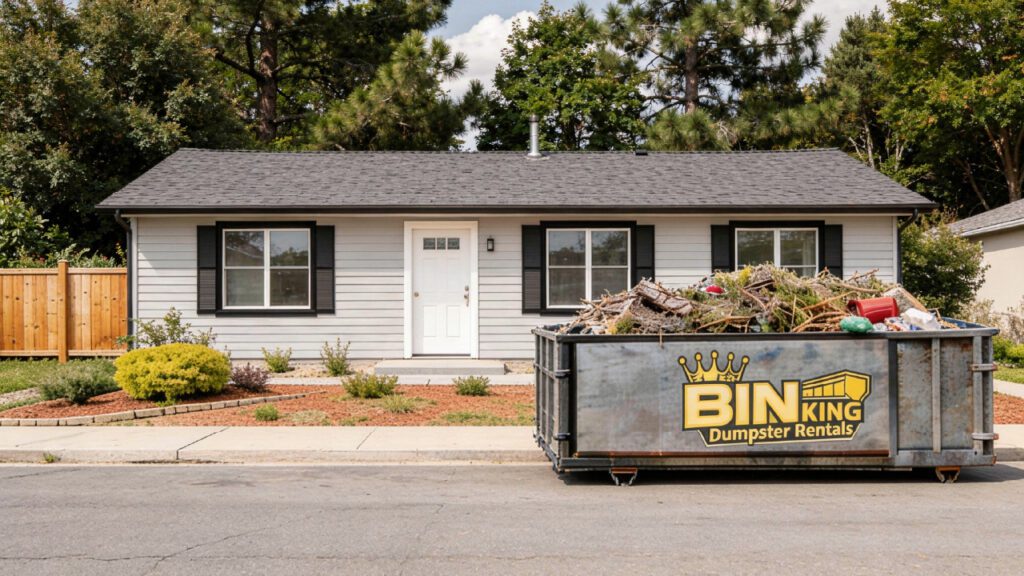
Weight and height rules exist for a reason. Exceeding them can damage the truck, endanger workers, or violate Clearwater transport regulations. Using a construction dumpster rental for heavy debris like concrete or roofing material can help prevent weight problems before they start.
Why Pickups Get Rejected in Clearwater
Many residents are surprised when a truck refuses a pickup. This happens for several reasons:
- Road Safety: Items sticking out of a dumpster can fall onto roads. Loose debris is dangerous to drivers, pedestrians, and nearby homes.
- City Requirements: Clearwater and Pinellas County enforce solid waste transport guidelines that prohibit moving overfilled or overweight dumpsters. Overfilled or overweight containers cannot be moved legally.
- Equipment Safety: Heavy or uneven loads can damage lifting equipment or the dumpster itself.
Clearwater Examples of Common Problems
Some typical situations renters face include:
- A homeowner fills a dumpster with furniture, leaving legs sticking above the rim.
- A small roofing project produces more heavy debris than expected, making the container overweight.
- Yard work, branches, and bulky waste extend past the edges, causing the truck to reject pickup.
These examples show how easily mistakes happen and why it is important to plan ahead. For projects with debris that needs careful handling, junk removal and estate cleanout services can provide guidance on safe disposal.
Understanding Weight Limits
Each dumpster size comes with a weight limit. Heavy materials like dirt, tile, concrete, or shingles can exceed this limit quickly. A ten-yard dumpster may look half full but still surpass the allowed weight. Overweight containers cannot be transported safely and may result in extra fees.
For projects involving landscaping, large debris, or construction waste, material delivery services can help manage heavy loads before they go into the dumpster.
Consequences of Overfilling a Dumpster
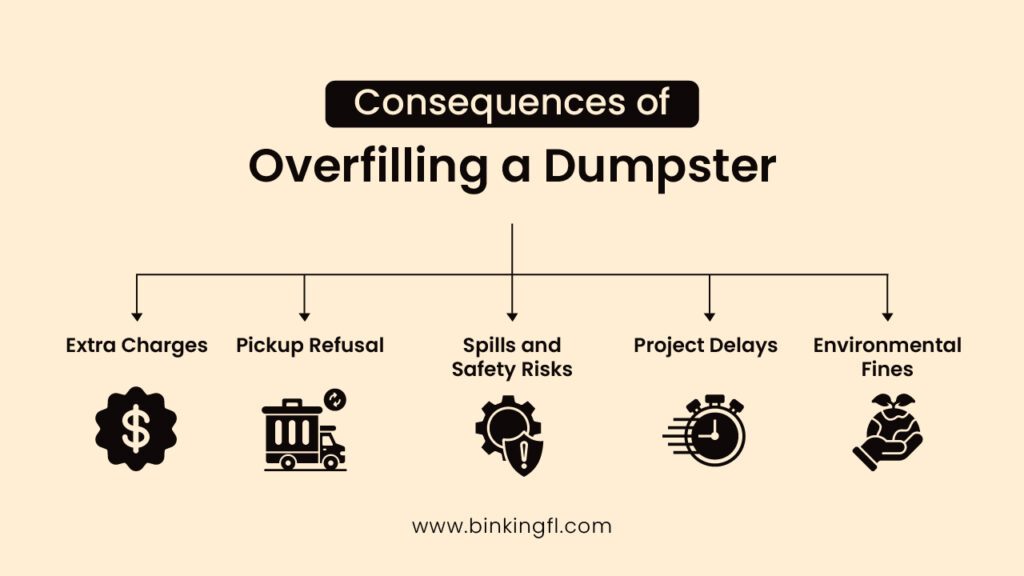
Knowing the consequences helps homeowners and contractors plan better and avoid frustration. So, the issues that you may face for overfilling a dumpster are:
- Extra Charges: Disposal sites charge fees if the dumpster exceeds the weight or volume limit.
- Pickup Refusal: Drivers cannot collect unsafe or overfilled loads.
- Spills and Safety Risks: Loose debris can cause accidents, injury, or neighborhood hazards.
- Project Delays: You may need to remove excess items before work can continue.
- Environmental Fines: Trash spilling into storm drains or public areas can trigger fines from local authorities.
How to Load a Dumpster Properly
For large cleanup or construction projects, using demolition services can make heavy debris easier to manage and reduce the chance of overfilling. Keep in mind that proper loading maximizes space and prevents overfilling a dumpster.
Follow these steps:
- Stay Below the Line: Keep all waste level with the container’s top edge.
- Heavy Items First: Place dense materials like concrete, bricks, and dirt at the bottom.
- Break Down Bulky Waste: Take apart furniture, flatten boxes, and dismantle wood or large debris.
- Fill in Gaps: Small items like yard clippings or packaging materials help fill empty spaces and prevent shifting.
Items That Should Never Go in a Dumpster
Proper disposal for some items is required, and including them in your dumpster can prevent pickup entirely. For larger or unusual items, hurricane and disaster cleanup services can provide guidance on safe removal.
Some materials are restricted and can cause rejected loads or contamination fees:
- Paint and chemicals
- Batteries and propane tanks
- Tires and aerosol cans
- Electronics
Steps to Take If You Already Overfilled a Dumpster
You should take proper steps if you overfill a dumpster. This minimizes the extra charges and keeps your project on schedule.
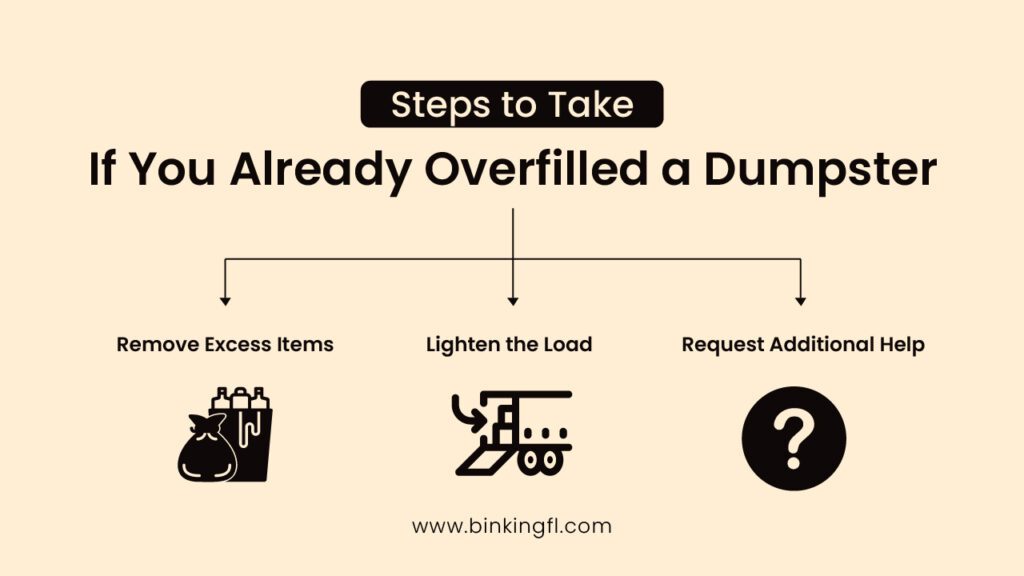
So, you should do:
- Remove Excess Items: Take out furniture legs, branches, or large debris above the top edge.
- Lighten the Load: Reduce heavy materials first to meet weight limits.
- Request Additional Help: Schedule another container or a second pickup for ongoing projects.
How to Prevent Overfilling a Dumpster
Preventing overfilling a dumpster is easier than correcting it. Keep these habits:
- Choose the right size for your project. Large home renovations may require a 30- or 40-yard dumpster, while small garage cleanouts can fit in a 10-yard container.
- Load heavy items first and keep the debris level.
- Break down furniture, boxes, and other bulky waste.
- Plan for multiple pickups if your project will generate a lot of waste.
Using a residential dumpster rental option or construction dumpster rental ensures you have the right container to avoid overflow and delays.
Local Placement Tips for Clearwater Renters
Follow my suggested tips to keep your project safe, prevent rejected pickups, and help your cleanup go smoothly.
So, the tips are:
- Measure your driveway or yard so the dumpster fits comfortably.
- Keep enough space from streets, sidewalks, and garage doors.
- Watch out for power lines, tree branches, or anything overhead.
- Make sure the ground is level and firm so the dumpster stays stable.
- Leave room for the truck to back in and turn safely.
- Avoid placing it too close to landscaping, gardens, or delicate surfaces.
- Think about traffic flow so neighbours and visitors aren’t blocked.
- Give enough space to load and unload debris easily.
- Keep a clear path for emergency access if needed.
- Plan the spot so pickups can happen quickly without moving other items.
Final Thoughts
Overfilling a dumpster can cause unnecessary stress, delays, and extra costs. Knowing how to load a container properly, understanding weight limits, and choosing the right size will save time and money. For homeowners and contractors in Clearwater, if you need services like residential dumpster rentals, junk removal, estate cleanouts, material delivery, or demolition services, contact Bin King today to get the best support.